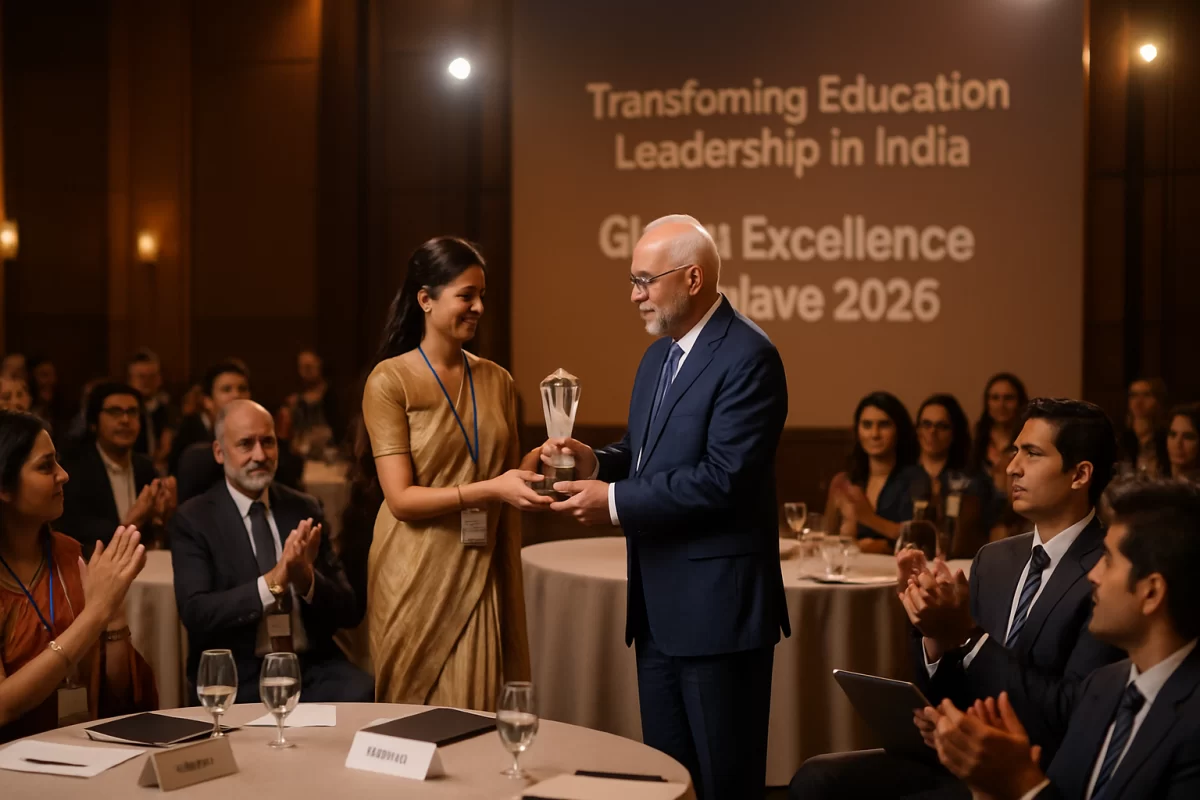
India is entering a decisive decade for learning, and the Global Excellence Conclave and Awards 2026 sets the stage for bold, evidence-led change. Designed as a premier gathering for visionary principals, university leaders, policymakers, and innovators, this event blends strategic insight with practical tools to elevate outcomes at scale. Within one high-energy platform, delegates discover the latest leadership frameworks, celebrate standout institutions, and align with a shared mission to accelerate quality education for every learner.
Defining the Conclave: A Leadership Summit With Purpose
This is not just another conference; it is an action forum that spotlights what works in Indian education leadership. The summit convenes K-12, higher education, and skill development stakeholders to turn policy into practice. With curated sessions, hands-on labs, and peer mentoring, the conclave helps leaders translate ambition into measurable progress.
By weaving together research, community insights, and global best practices, the gathering inspires participants to reimagine schooling for relevance and resilience. It also champions a culture of recognition through awards that highlight exemplary institutions, educators, and initiatives.
Mission and Vision That Drive Impact
The mission centers on improving learning outcomes and wellbeing through transformative leadership and systems thinking. The vision is a future-ready education ecosystem where data-driven decisions, inclusive pedagogy, and ethical innovation guide daily practice. Equity, accessibility, and sustainability remain non-negotiable pillars throughout the program.
Who Should Attend and Why It Matters
School principals, deans, trustees, department heads, and district leaders will find targeted roadmaps to raise performance. Edtech founders, CSR leaders, and nonprofit practitioners can forge partnerships and pilot innovations. Government officials and policy thinkers gain ground-level insights that inform scalable reforms.
Why Transforming Education Leadership in India Is Urgent
From bridging urban-rural divides to advancing inclusive education, leadership is the multiplier that amplifies every intervention. When leaders craft vision, coach teachers, and steward resources well, students thrive and communities gain momentum. Conversely, weak leadership traps schools in cycles of compliance and stagnation.
Leadership transformation equips institutions to adapt to rapid demographic shifts, technological change, and evolving workforce demands. It empowers systems to move beyond episodic projects toward sustained, school-wide improvement.
Alignment With NEP 2020 and Global Goals
The conclave aligns with NEP 2020 by promoting competency-based learning, multilingual education, and teacher development. It speaks directly to SDG 4 with a focus on equity, quality, and lifelong learning pathways. In doing so, it advances coherence across policy, planning, and pedagogy.
Key Themes and Tracks That Shape the Dialogue
To make change tangible, the summit is organized into thematic tracks that leaders can tailor to their context. Each track blends research, case studies, and workshops that culminate in take-home frameworks. The intent is to leave every attendee with tools that work on Monday.
Digital Transformation and Responsible AI in Classrooms
Sessions unpack responsible AI, adaptive learning platforms, and secure data practices. Leaders explore device access models, content curation, and teacher-led innovation cycles. Importantly, the conversation pairs technology with pedagogy so digital tools enhance, not replace, human relationships.
Inclusive and Equitable Education for All Learners
From universal design for learning to socio-emotional supports, inclusion is treated as core strategy, not a side project. Delegates examine disability inclusion, gender equity, and language-responsive teaching. Rural outreach, low-cost models, and community partnerships demonstrate how to extend opportunity at scale.
Assessment Reform and Competency-Based Progression
Experts present models for formative assessment, question design, and rubric-based evaluation. Leaders learn to track mastery through performance tasks, portfolios, and exhibitions of learning. As a result, grading shifts from memory recall to demonstration of skills and understanding.
Teacher Professional Development and Wellbeing
Because great schools are built by great teachers, this track focuses on coaching, micro-credentials, and peer observation. Topics include workload balance, mental health supports, and career pathways. Schools leave with staff development plans tied to outcomes and budgets.
Governance, Finance, and Policy Innovation
Boards and trustees examine fiduciary responsibilities, transparency norms, and long-term capital planning. Sessions on grants, CSR alignment, and public-private partnerships surface diversified funding strategies. Governance workshops also address risk management, child protection policies, and compliance readiness.
Awards That Celebrate Excellence and Inspire Replication
The awards platform recognizes models that are both innovative and replicable across varied Indian contexts. Categories span K-12 leadership, higher education transformation, inclusive schooling, digital pedagogy, and community impact. Honorees receive visibility, research features, and peer learning opportunities to scale their ideas.
Transparent Criteria and Rigorous Evaluation
Submissions are judged on clarity of problem, efficacy of solution, evidence of learning gains, stakeholder engagement, and sustainability. Additional weight is given to equity impact and cost-effectiveness. A blended jury of academics, practitioners, and sector leaders ensures balanced perspectives.
How to Nominate and Shape a Winning Dossier
A compelling nomination tells a clear story with baseline data, interventions, and comparative results. Include dashboards, student work samples, and stakeholder testimonials that validate claims. Above all, describe the playbook for replication so others can adapt your model with fidelity.
What Attendees Can Expect: A Dynamic Agenda
Moving from plenary inspiration to hands-on labs, the agenda balances ideas with execution. Delegates can dive deep in masterclasses, rapid clinics, and mentoring circles. Each element is designed to accelerate your school or university roadmap.
Masterclasses and Workshops for Practical Skill-Building
Masterclasses cover instructional leadership, strategic finance, and data fluency for principals. Workshops simulate real scenarios like crisis communication, parent engagement, and timetable redesign. Participants leave with checklists, templates, and action plans they can deploy immediately.
Networking Labs and Mentoring Circles
Curated networking labs match leaders by region, school type, and strategic priorities. Mentoring circles pair emerging leaders with seasoned executives for career guidance. These connections often spark collaborations that outlast the event itself.
Showcase of Education Solutions and Implementation Models
Solution showcases present curriculum platforms, assessment tools, and campus safety systems with live demos. Leaders can explore open-source repositories and low-cost approaches suited for diverse settings. The focus remains on impact evidence, not hype.
Practical Takeaways You Can Apply on Monday
The conclave is intentionally outcome-driven, offering field-tested toolkits for immediate use. From classroom walkthrough forms to governance self-audits, every resource is designed for quick adaptation. Here are three high-utility frameworks attendees can bring back to their teams.
A 90-Day School Improvement Sprint
Start with a one-page strategy that sets three measurable goals linked to student outcomes. Build a weekly cadence that includes teacher huddles, data drops, and rapid feedback cycles. At day 90, review gains, retire low-yield tasks, and scale what worked.
Data Dashboards and KPIs for Principals
Adopt a dashboard with five sentinel indicators such as attendance, formative assessment mastery, teacher observation scores, student wellbeing flags, and parent feedback. Set traffic-light thresholds and run fortnightly reviews to trigger support. Make dashboard insights public within staff teams to drive collective responsibility.
Family and Community Engagement Playbook
Create a yearlong plan that blends quarterly town halls, student-led conferences, and targeted home visits. Provide multilingual communication and parent micro-courses on learning at home. Track engagement rates to ensure marginalized families are not left behind.
Measuring Impact Beyond the Trophy
Recognition is meaningful, yet the real prize is sustained improvement across cohorts and years. To that end, the conclave promotes evaluation roadmaps that link inputs to outcomes with clarity. Leaders are encouraged to publish open progress notes that build sector learning.
Snapshots From Previous Editions and Peer Learning
Across prior editions, schools have reported gains in attendance, reading fluency, and teacher retention through disciplined leadership routines. Universities have accelerated industry partnerships that improve placements and research productivity. These case snapshots serve as prompts to adapt, not prescriptions to copy.
Making the Most of the New Delhi 2026 Experience
Arrive with a focused agenda that lists your three biggest challenges and must-meet peers. Schedule white-space time between sessions for reflection and hallway conversations. Carry a brief deck of your institution profile to catalyze partnerships.
Travel and Logistics Tips for a Smooth Visit
Book accommodations near the venue to save time and reduce commute stress. Keep a digital folder of proposals, data sheets, and nomination materials for quick sharing. As always, confirm session times on the official app and build buffer time for demos.
Championing Sustainable Event Practices
Opt for paperless notes, refillable bottles, and public transport where feasible. If exhibiting, design modular booths with reusable elements and energy-efficient lighting. Small choices compound into a culture of stewardship.
Voices That Matter: Students, Teachers, and Communities
In shaping policy and practice, the event amplifies voices of those closest to the classroom. Student panels, teacher fireside chats, and community dialogues translate challenges into design constraints. This participatory approach guards against top-down plans that miss lived realities.
Registration, Deadlines, and Access Pathways
Early registration typically unlocks discounted passes and priority workshop slots. Institutions can explore group rates, limited scholarships, and CSR-supported access for educators from underserved geographies. Nomination windows and review timelines are clearly communicated to ensure fairness.
Looking Ahead: A Movement, Not a Moment
Beyond the event days, community forums, research briefs, and virtual meetups sustain momentum. Regional chapters and special interest groups keep the conversation grounded in local context. As projects mature, cross-pollination of insights accelerates collective problem-solving.
How Leaders Can Prepare Their Teams Now
Set up pre-conclave learning pods where staff read a common brief, identify gaps, and frame questions. Nominate a small delegation with clear roles for scanning solutions, clinching partnerships, and gathering resources. After the event, convene a 30-60-90 day rollout with owners, timelines, and metrics.
Building a Culture of Continuous Improvement
Encourage teams to test small changes weekly rather than wait for annual plans. Use quick wins to build belief and invest in deeper change where evidence is strong. Make learning visible by sharing progress boards and celebrating incremental gains.
Why This Moment Is Ripe for Bold Leadership
India stands at the nexus of demographic advantage and technological possibility. With the right leadership, schools and universities can equip every learner for meaningful work and citizenship. The conclave becomes a catalyst when leaders commit to clarity, equity, and execution.
A Call to Action for Education Leaders Across India
If you are ready to turn policy into practice and ambition into outcomes, now is the time to engage. Bring your toughest challenges, your best prototypes, and your willingness to learn in public. Leave with partners, playbooks, and the resolve to lead with courage and care.